The Pros and Cons of Ductless HVAC Systems for Your Home Jan 09, 2026
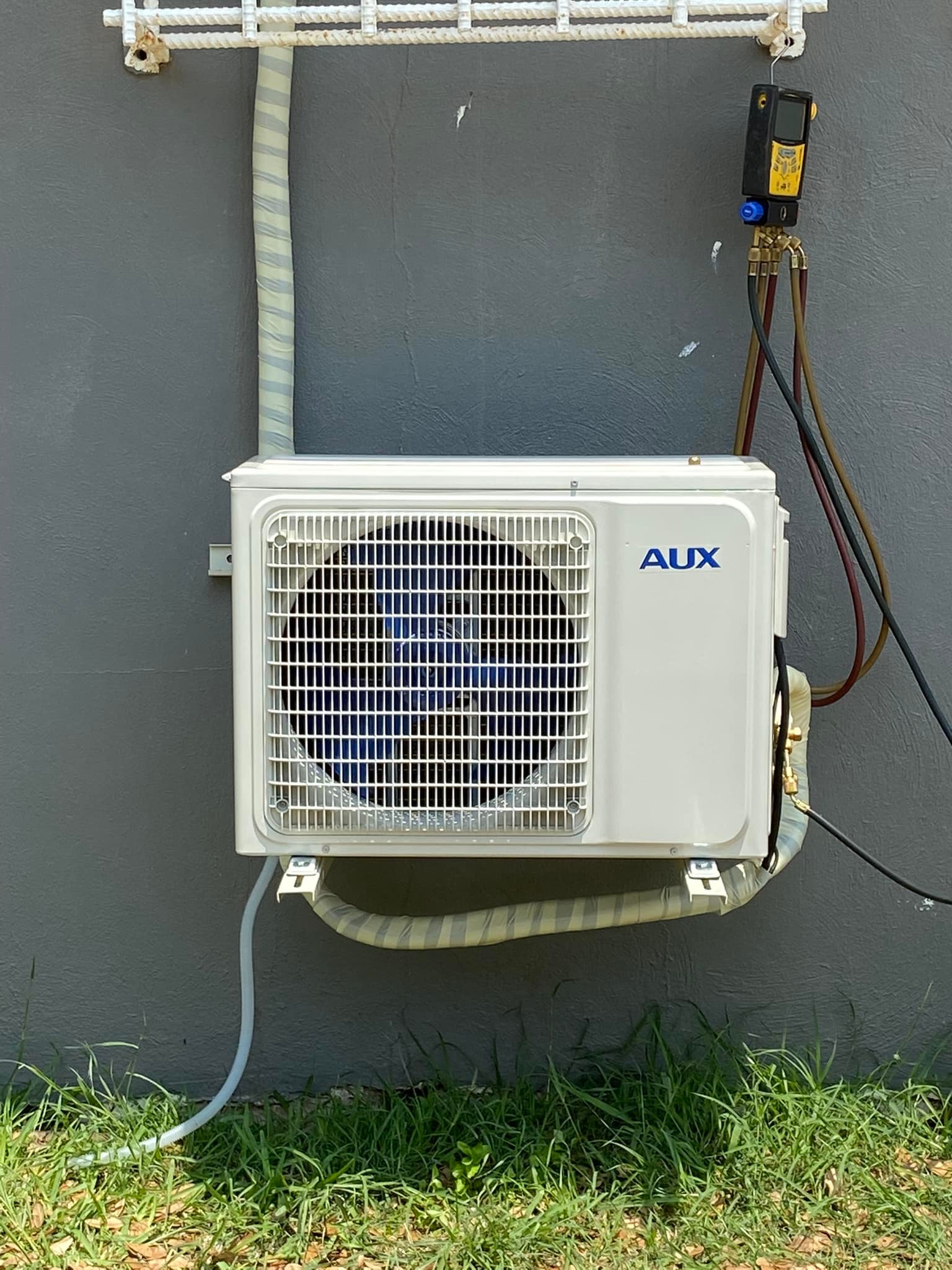
Ductless HVAC systems, also known as mini-split systems, have become a popular alternative to traditional heating and cooling solutions. They consist of an outdoor unit connected to one or more indoor units, offering a flexible and customizable approach to climate control.
One of the primary benefits of ductless HVAC systems is energy efficiency. Unlike traditional systems that can suffer from energy losses within ductwork, ductless systems deliver air directly to zones, minimizing energy waste. This efficiency can lead to significant savings on energy bills, making it an attractive option for budget-conscious homeowners.
Another advantage is the ease of installation. Traditional HVAC systems often require extensive ductwork, which can be both time-consuming and expensive to install. In contrast, ductless systems require only a small hole to connect indoor and outdoor units, reducing installation complications and costs. This feature is especially beneficial for retrofitting older homes where adding ductwork is impractical.
Ductless systems also offer improved indoor air quality. Traditional systems can distribute dust, allergens, and other pollutants that accumulate in ducts. With a ductless system, there's no ductwork to collect and distribute these particles, resulting in cleaner air for your home. Many ductless units also include advanced filtration systems to further improve air quality.
Despite these benefits, there are also some considerations to keep in mind. One potential drawback of ductless HVAC systems is the upfront cost. While they can save money on energy bills over time, the initial investment for purchasing and installing these systems can be higher than that of traditional HVAC units. It's important to weigh the long-term savings against the initial costs to determine overall value.
Aesthetic concerns might also arise for some homeowners. Indoor units are visibly mounted on walls, which might not align with everyone's design preferences. However, for those who value function over aesthetics or are willing to incorporate these units into their interior design, this may not be a significant issue.
Maintenance is another consideration. While ductless units generally require less maintenance due to the absence of extensive ductwork, regular cleaning of the filters and occasional professional servicing are necessary to ensure optimal performance and longevity.
In conclusion, ductless HVAC systems offer a compelling blend of efficiency, flexibility, and improved air quality, making them an excellent choice for many homeowners. However, evaluating factors such as initial cost and aesthetic preferences is crucial. At Air-Tek Heating & Cooling, our experts are ready to assist you in navigating these options, ensuring you choose the system that best fits the unique needs of your home. Whether you're upgrading or installing a new system, we're here to help you achieve the perfect indoor climate while maximizing efficiency and comfort.
/filters:no_upscale()/filters:format(webp)/media/768b6f8b-8c9d-4c60-9980-41e548196e59.jpeg)
/filters:no_upscale()/filters:format(webp)/media/05344e36-4a56-42dc-a5d4-ae09955fd7b5.jpg)